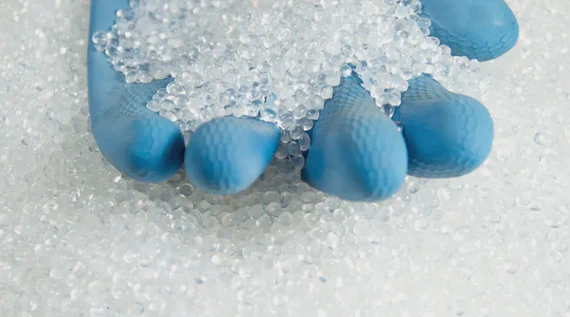
Masterbatch Compatibility with Different Polymers *Why the Right Carrier Resin Makes All the Difference*
🔹 Introduction In the world of plastic processing, masterbatch is a go-to solution for adding color, improving …

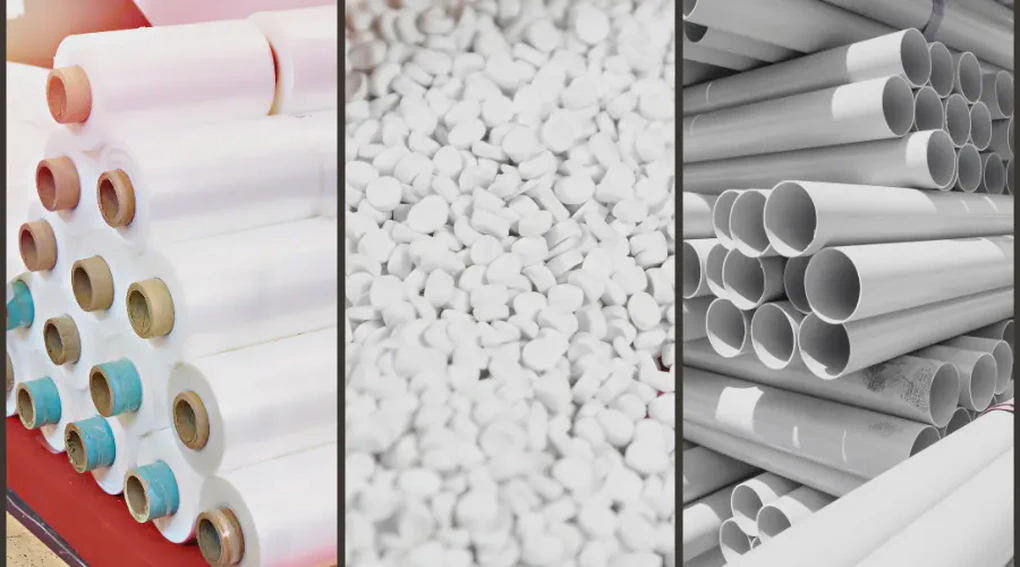
White masterbatch is more than a colorant — it plays a key role in determining a film’s opacity, UV resistance, surface finish, regulatory compliance, and even processability. For film converters, selecting the right white masterbatch can directly impact:
This guide breaks down the types of white masterbatch, key technical considerations, and how to choose the right type based on film structure and end-use application.
Rutile is the preferred TiO₂ crystal type in film applications due to its:
🧪 Technical Tip: Choose rutile-based white masterbatch for films that require UV protection, long service life, or high opacity at low thicknesses.
✅ Best suited for:
Anatase TiO₂ has:
🧪 Technical Tip: Use anatase-based masterbatch only for indoor or short-life films where brightness matters more than durability.
✅ Best suited for:
✅ Ideal for:
✅ Ideal for:
🧪 Selection Tip: For thin films (<30 microns), higher TiO₂ loading ensures consistent opacity.
White masterbatches can be customized with additives to improve film performance:
| Additive | Function | Used In |
|---|---|---|
| UV Stabilizer | Prevents degradation from sunlight | Greenhouse & tunnel films |
| Anti-fog | Avoids condensation on film surface | Food packaging, greenhouse |
| Slip Additive | Reduces friction for smoother handling | High-speed packaging films |
| Anti-block | Prevents film sticking in rolls | LDPE, multilayer films |
| Processing Aid | Improves melt flow and stability | High-output blown film lines |
These grades enhance appearance, branding, and surface feel of the final product:
| Variant | Effect | Common Use Cases |
|---|---|---|
| Bluish White | Clean, cool-toned white | Personal care & hygiene films |
| Marble White | Natural swirl or stone finish | Furniture laminates, decorative films |
| Pearl White | Shimmer/gloss effect | Premium printed packaging |
| Poly White | Clean tone + easy extrusion in PE/PP | Lamination films, extrusion coating |
| Super White | Ultra-white finish with brightening | Shelf-display films, pouch laminates |
| Matte/Satin/Glossy | Surface finish control | Design-driven packaging |
| Creamy/Warm White | Soft natural white tone | Organic or eco-friendly product lines |
🧪 Insight: Aesthetic grades can include functional additives like UV or slip agents.
These are Sonali’s recommended grades for key film applications.
Custom grades can be developed for specific opacity, processing, or regulatory needs.
| Film Type | Recommended Grade | Why |
|---|---|---|
| Monolayer carry bags | White 4742 / 1342 | Cost-effective for short-life films |
| Multilayer food films | White 5618 | Food-safe, excellent opacity & dispersion |
| Greenhouse films | White 4701 | UV-stable for long-term exposure |
| Mulch films (1 season) | White 11260 | Economical and seasonally stable |
| Lamination (PE) | White 1318 | Good adhesion in multilayer structures |
| Lamination (PP) | White 5615 | Smooth processing for PP/BOPP |
| Premium printed films | White 2727 (Pearl White) | Pearlescent finish for luxury packaging |
| High-speed packaging | White 5618 | Stable extrusion, anti-block options |
💡 Need a custom TiO₂ level, polymer base, or additive mix? Sonali can formulate it to match your exact needs.
White masterbatch selection has a direct impact on film performance, visual quality, processing behavior, and compliance. Whether you need UV protection, premium brightness, or high-speed compatibility, there’s a white masterbatch that fits.
Sonali offers both standard grades and tailor-made solutions for your application.
📩 Need help choosing the right white? Contact us to get started.
🔹 Introduction In the world of plastic processing, masterbatch is a go-to solution for adding color, improving …
In today’s competitive plastic industry, cost optimization without compromising performance is a constant challenge. …
With 80,000 MTA capacity and world-class manufacturing across India, Sonali delivers plastic solutions trusted around the globe.
Contact Us