Understanding Additive Masterbatches: A Comprehensive Guide to Types, Applications, and Performance Benefits
Plastics, on their own, are rarely sufficient to meet the demands of modern applications. From packaging and …


Agricultural films such as mulch films, tunnel films, and greenhouse covers are constantly exposed to intense sunlight and harsh outdoor conditions. While a thin mulch film only needs UV stabilization for one crop cycle, a greenhouse film must remain durable, flexible, and optically clear for several years.
The right UV masterbatch, with optimized stabilizer loading and dosage, ensures long-term performance, color stability, and protection across all agricultural film applications.
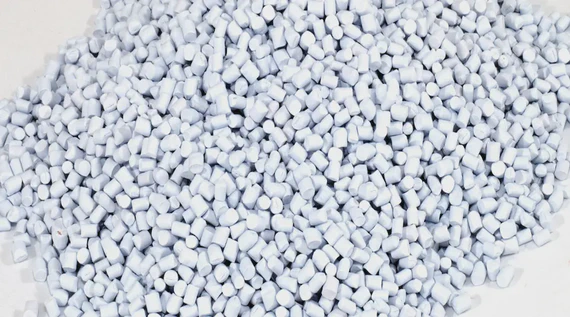
A UV masterbatch is a concentrated package of UV stabilizers dispersed into a carrier resin such as LDPE, LLDPE, or EVA. When added during extrusion, it provides the required UV resistance for agricultural films.
Key stabilizer types:
The carrier resin ensures proper dispersion, processing stability, and compatibility with the base polymer.
Both dosage and stabilizer loading determine how long a film maintains durability, flexibility, and color stability.
| Film Type | Service Life | Dosage (MB) | UV Loading in MB | Exposure Resistance | Performance Focus |
|---|---|---|---|---|---|
| Greenhouse Films | 2–4 years | 5–7% | 20–30% | ~510 klys (3 years) | HALS + UVA for durability, optical clarity, anti-fog compatibility |
| Mulch Films | 6–12 months | 5–7% | 10–15% | ~170 klys (1 year) | Economical stabilization for thin gauges; crop-cycle integrity |
| Tunnel Films | 1–3 years | 5–7% | 20–25% | 340–510 klys | Medium-high HALS; stability in sunlight and heat |
| Silage & Bale Wrap Films | 12–18 months | 5–7% | 15–20% | ~250 klys | Balanced UVA + HALS; resist UV + mechanical stress |
| Irrigation & Mulching Pipes | 1–3 years | 5–7% | 20–30% | 340–510 klys | HALS-rich stabilization; crack resistance + weatherability |
Key takeaway: Dosage (5–7%) is generally consistent, but the UV stabilizer concentration (10–30%) inside the masterbatch and the blend of stabilizers vary to match the film’s service life.
Today, UV masterbatch is evolving beyond single-purpose UV resistance. Formulations increasingly combine stabilizers with other performance additives, such as:
This shift makes UV masterbatch a platform for multifunctional agricultural films.
UV masterbatch is essential for the stability and performance of agricultural films, but requirements vary by product type:
The correct UV masterbatch ensures not only mechanical life but also color stability, optical clarity, and crack resistance— tailored to each application.
The conclusion is simple: there is no universal UV solution. Each film type requires a different UV masterbatch formulation to match its service life, dosage, and exposure conditions.
Plastics, on their own, are rarely sufficient to meet the demands of modern applications. From packaging and …
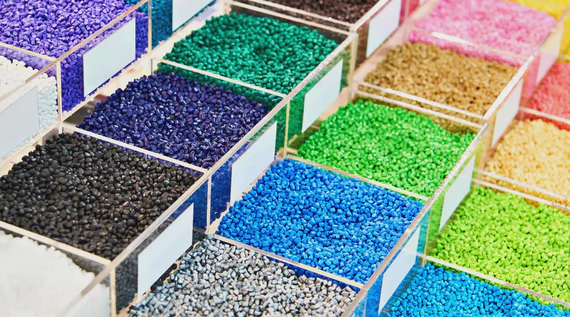
Color masterbatch does more than add color — it plays a critical role in plastic product manufacturing. From defining …
With 80,000 MTA capacity and world-class manufacturing across India, Sonali delivers plastic solutions trusted around the globe.
Contact Us