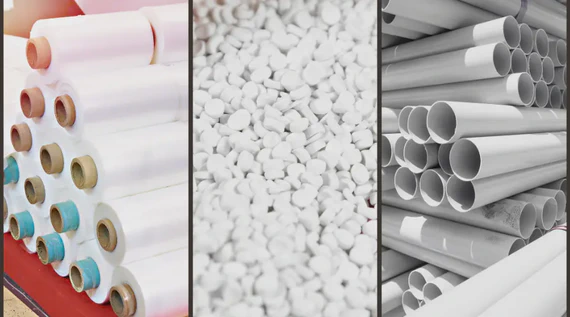
In today’s competitive plastic industry, cost optimization without compromising performance is a constant challenge. Filler Masterbatch plays a crucial role in achieving this balance. It helps reduce raw material costs and enhances certain functional properties of plastic products.
Whether you’re producing films, injection-molded parts, or woven sacks, understanding the different types of filler masterbatch and their ideal applications is essential for quality and profitability.
What is Filler Masterbatch?
Filler Masterbatch is a compound of mineral fillers (like calcium carbonate, talc, or sodium compounds) blended with a polymer carrier such as polyethylene (PE) or polypropylene (PP). It’s designed to replace a part of the virgin polymer in the final product, thereby reducing material costs and modifying mechanical properties.
Types of Filler Masterbatch
Filler masterbatches are categorized based on the type of filler used and the polymer carrier. Here’s a look at the most widely used types:
1. By Filler Type:
Calcium Carbonate (CaCO₃) Based Filler
- Most common and cost-effective.
- Enhances stiffness, dimensional stability, and printability.
- Ideal for film blowing, injection molding, and raffia applications.
Talc Based Filler
- Offers a smoother surface finish and improved heat resistance.
- Common in automotive parts, household goods, and electrical applications.
Sodium Based Filler (Sodium Sulfate / Sodium Compound Filler)
- Used for transparent film applications where maintaining light transmission is critical.
- Helps in reducing haze while still allowing cost savings.
- Preferred in multilayer films, carry bags, and some packaging films.
2. By Carrier Resin:
- PE-Based Filler Masterbatch: Used for blown films, shopping bags, liners, and injection molding using LDPE/HDPE.
- PP-Based Filler Masterbatch: Suitable for woven sacks, raffia tapes, and thermoforming using PP.
- Custom Resins: Carriers like PS, PET, or ABS are used for specific engineering plastics.
Applications of Filler Masterbatch
Filler masterbatch finds applications in almost every plastic processing method. Here are the most common ones:
1. Blown Film
- Used in trash bags, grocery bags, liners.
- Reduces cost while improving film stiffness and printability.
2. Injection Molding
- Used in household items, furniture components, and storage boxes.
- Improves dimensional stability and processing cycle time.
3. Blow Molding
- Applied in bottles, containers, and drums.
- Enhances rigidity and reduces shrinkage.
- Ideal for disposable trays, cups, and rigid packaging.
- Provides better formability and stiffness.
5. Woven Sacks / Raffia Tapes
- Widely used in cement and fertilizer packaging.
- Improves tape stiffness and running behavior on looms.
6. Non-woven Fabric
- Medical and hygiene applications.
- Reduces production costs while maintaining product integrity.
Key Benefits of Using Filler Masterbatch
- Cost Efficiency: Replaces a portion of the costly virgin resin.
- Improved Processability: Easier flow, faster cycle times.
- Enhanced Properties: Boosts stiffness, printability, and rigidity.
- Customizable: Formulations can be tailored to application needs.
- Surface Quality Control: Especially with talc and sodium fillers in visual products.
Considerations When Choosing Filler Masterbatch
Choosing the right filler masterbatch involves balancing cost savings with the performance requirements of your product. Here are key points to evaluate:
1. Filler Purity and Particle Size
- Fine, consistent particles ensure better dispersion and surface finish.
- Avoid fillers that may cause black spots or uneven texture.
2. Polymer Compatibility
- Ensure the masterbatch uses the same base resin (PE, PP, etc.) as your end-use polymer to guarantee homogenous mixing.
3. End Product Requirements
- Evaluate transparency, stiffness, flexibility, and food-contact compliance based on final use.
4. Processing Equipment
- Certain fillers can be abrasive; equipment wear and tear should be considered if running high filler loadings.
5. Filler Loading / Dosage
- Typically ranges between 5% to 50% depending on application.
- Excessive filler may reduce impact strength or elongation.
6. Surface Finish and Appearance
- For transparent or aesthetic products, sodium or talc fillers are better suited than coarse calcium carbonate.
Trends and Innovations
- Sodium Filler Masterbatch for Transparent Films: Growing preference in multilayer packaging.
- High Dispersion Fillers: For thin films and improved aesthetics.
- Eco-Friendly Formulations: Bio-based or recyclable fillers are gaining interest.
Conclusion
Filler Masterbatch is a practical, economical, and performance-boosting addition to plastic production. From simple carry bags to complex molded components, these additives help manufacturers save cost while meeting product demands.
However, selecting the right type of filler, with suitable carrier resin, particle size, and dosage, is crucial for maintaining product quality. When in doubt, consult with your masterbatch supplier for customized solutions.