Inside the Pellet: How Antioxidant Masterbatches Are Formulated and Tested
Inside the Pellet: How Antioxidant Masterbatches Are Formulated and Tested Small in size. Massive in science. Every …

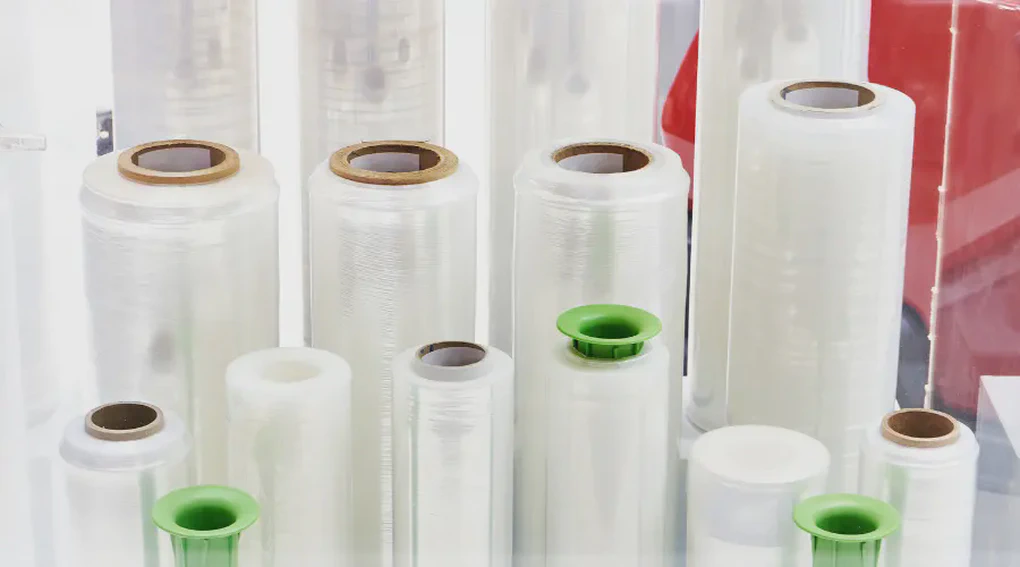
How the right additive package transforms polymer films into high-performance engineered materials.
Film production is one of the most technically demanding domains in polymer processing. Whether the requirement is agricultural films, packaging films, lamination structures, greenhouse covers, industrial membranes, or protective films, each application exposes polymers to a unique combination of mechanical stress, temperature cycles, UV radiation, humidity, and processing variables.
A polymer film is never just “plastic.” It is a carefully engineered matrix.
While the polymer provides the backbone, additives define how the film behaves, how long it lasts, how clear it stays, and how efficiently it runs on a machine.
The right additive masterbatches determine whether a film:
– Retains clarity or becomes hazy
– Cracks under sunlight or endures a full season
– Unwinds smoothly or sticks and tears
– Runs at high speed or struggles with friction and melt fracture
– Stays stable in storage or degrades prematurely
This guide explains the most important additives used in films, why they are needed, how they function, and which specific film types benefit from them.
The goal is simple: clarity in choosing the right additive for the right film.
Agricultural films, greenhouse and tunnel films, mulch and silage films, fumigation films, construction membranes, industrial outdoor films, and protective covers.
Polyolefins degrade rapidly when exposed to UV radiation. UV photons trigger photo-oxidation, breaking polymer chains and leading to surface chalking, micro-cracking, loss of tensile strength, discoloration, and brittleness.
Unstabilized outdoor films typically fail far earlier than expected.
UV Absorbers (UVA)
Absorb UV radiation (290–400 nm) and convert it into harmless thermal energy, shielding polymer chains from initial UV attack.
HALS (Hindered Amine Light Stabilizers)
Do not absorb UV directly. Instead, they neutralize free radicals generated during photo-oxidation. HALS are regenerative, offering long-term protection.
A combination of UVA + HALS is essential for long-duration outdoor performance.
Agricultural and greenhouse films, mulch films, silage films, construction films, and outdoor industrial films.
Agricultural films, industrial films, multilayer packaging films, films with recycled polymer content, heavy-duty bags, and any film undergoing high-temperature processing.
Polymers degrade under heat and oxygen during processing. Extrusion exposes the melt to shear, oxygen, and high temperatures, causing:
– Yellowing
– Gel formation
– Brittleness
– Loss of mechanical strength
– Melt index shifts
– Poor sealing performance
Recycled PE/PP is especially vulnerable.
Primary Antioxidants (Hindered Phenols)
Scavenge free radicals, maintaining polymer molecular weight.
Secondary Antioxidants (Phosphites, Thioesters)
Break down hydroperoxides into stable products and work synergistically with primary antioxidants.
Result: improved melt stability, reduced degradation, and extended shelf life.
High-output extrusion, recycled-content films, agricultural films, and industrial films stored in warm climates.
Greenhouse films, tunnel films, fresh produce packaging, refrigerated packaging films, and liquid packaging structures.
Moisture condensation forms droplets that scatter light.
This reduces light transmission in greenhouses and affects product visibility in packaging.
Anti-fog agents migrate to the film surface and create a hydrophilic layer.
Water forms a continuous sheet instead of droplets, maintaining clarity and high light transmission.
Blown and cast films, lamination films, packaging films, pouches, liners, bags, and high-speed converting lines.
Fresh films have a high coefficient of friction (COF), causing:
– Drag on rollers
– Jamming in bag-making
– Feeding issues in winding
– Processing inefficiency
Fatty acid amides migrate to the surface, forming a lubricating layer that lowers COF, ensuring smooth transport and high-speed processing.
Films stored in rolls, medium-to-thick films, agricultural films, transparent packaging films, and industrial liners.
Smooth film surfaces tend to stick together during storage—a phenomenon called blocking—leading to tearing and unwinding issues.
Inorganic particles create micro-roughness, reducing surface contact area for easy separation of film layers.
Slip = reduces friction
Antiblock = reduces adhesion
Both are often used together.
Electronics packaging, overwrap films, industrial packaging, FFS films, and dust-sensitive applications.
Static charge causes dust attraction, discharges, safety risks, and handling difficulties.
A thin moisture layer forms on the film surface, creating mild conductivity to dissipate static continuously.
High-output blown film lines, metallocene LLDPE films, recycled-content films, stretch films, multilayer structures, and industrial heavy films.
Prevents:
– Melt fracture
– Sharkskin defects
– Die build-up
– High backpressure
– Uneven surface finish
Forms a low-friction fluoropolymer coating inside the die, reducing shear stress and improving melt flow and film appearance.
Transparent packaging films, lamination films, CPP, BOPP, and PE films requiring premium clarity.
Crystallization can cause haze in polymer films.
They refine spherulite size during crystallization, increasing:
– Light transmission
– Gloss
– Transparency
| Film Type | Essential Additives | Optional Additives |
|---|---|---|
| Agricultural Films | UV Stabilizer, Antioxidant, Anti-Fog | IR, Antiblock |
| Greenhouse Films | UV Stabilizer, Anti-Fog, IR | Antioxidant |
| Packaging Films | Slip, Antiblock | Anti-static, Clarifier |
| Industrial Films | Antioxidant, UV (if outdoor) | PPA |
| Recycled Films | Antioxidant, PPA | Slip, Antiblock |
| Lamination Films | Slip | Anti-static, Clarifier |
Additives are not accessories—they are the performance engine behind modern polymer films.
The correct additive package ensures films remain strong, clear, stable, and efficient across their life cycle.
By understanding what each additive does and where it is needed, converters and processors can design smarter, more reliable films that meet demanding market expectations.
Inside the Pellet: How Antioxidant Masterbatches Are Formulated and Tested Small in size. Massive in science. Every …
🌱 Introduction Agricultural films such as mulch films, tunnel films, and greenhouse covers are constantly exposed to …
With 80,000 MTA capacity and world-class manufacturing across India, Sonali delivers plastic solutions trusted around the globe.
Contact Us